
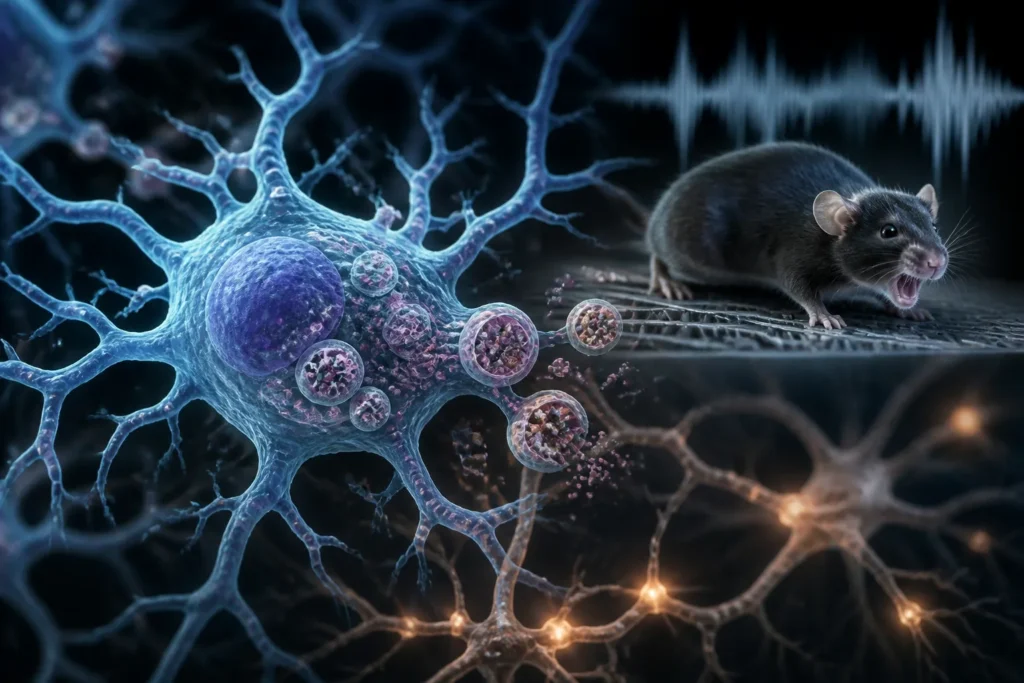




Microglial Dysfunction Linked to Fragile X Syndrome Through Impaired Lysosomal Activity

Research reveals that microglial dysfunction due to impaired lysosomal activity regulated by FMRP contributes to fragile X syndrome features, highlighting new therapeutic targets.

Non-Pharmacological Interventions Show Domain-Specific Cognitive Benefits in Children with Autism Spectrum Disorder

A recent systematic review found that non-pharmacological interventions may improve working memory and social-emotional cognition in children with autism spectrum disorder, though effects vary by cognitive domain.

Australian Study Reveals High Prevalence of Mental Health Conditions in Prader-Willi Syndrome
An Australian study found that 73% of individuals with Prader-Willi syndrome experience mental health conditions, notably anxiety, OCD, and depression, highlighting the need for early intervention.
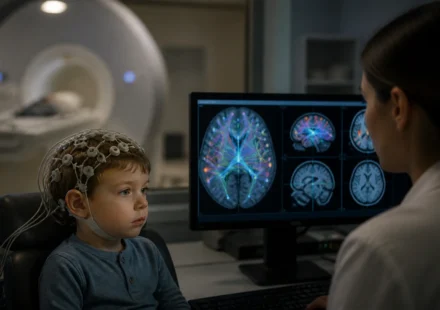
Brain Connectivity Patterns May Help Predict Social Skills in Young Children with Autism

A recent study found that brain connectivity patterns, especially within the default mode network, can predict social functioning differences in young children with autism spectrum disorder.
New Insights into OPHN1-Related Neurodevelopmental Disorders: Clinical and Genetic Discoveries Including Novel Variants

A recent study reports novel OPHN1 gene variants linked to intellectual disability and neurodevelopmental disorders, expanding understanding of clinical features and genetic diversity.

Effective School Leadership Supports Evidence-Based Practices for Autistic Students in Inclusive Classrooms

A study of 361 educators highlights how school leadership influences the use of evidence-based practices for autistic children in inclusive classrooms, emphasizing the need for knowledgeable and supportive principals.

Exploring Why Autistic Individuals Are More Likely to Identify as Sexual Minorities
A new study explores why autistic individuals are more likely to identify as sexual minorities, highlighting the interplay between autism and LGBTQIA+ identities.

Global Trends in Non-Pharmacological Interventions for Autism Spectrum Disorder: Insights from 2001 to 2025

A bibliometric study reveals increasing global research on non-pharmacological interventions for autism, highlighting shifts toward individualized and mechanism-based approaches from 2001 to 2025.
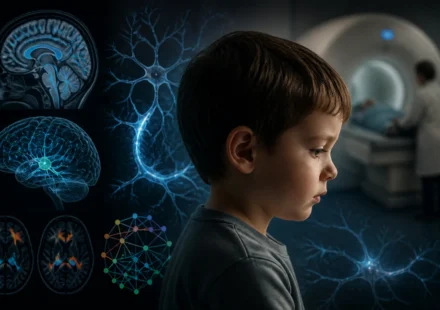
Study Links Changes in Brain Glymphatic Function and Network Connectivity to Autism Prognosis

A longitudinal study finds that changes in brain glymphatic function and network connectivity may be linked to symptom improvement in children with autism spectrum disorder.
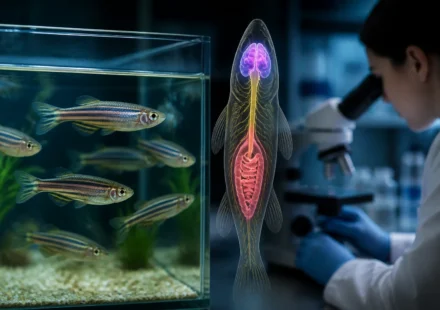
Zebrafish Model Reveals Gut and Brain Neurochemical Changes Linked to Autism Traits

A zebrafish model exposed to valproic acid reveals brain and gut neurochemical changes linked to autism-like behaviors and gastrointestinal dysfunction.